

flexible printed circuit
The advancement of additive manufacturing, commonly known as 3D printing, has opened new avenues for the production of flexible printed circuits (FPCs). Traditionally, FPCs have been manufactured using established processes involving flexible substrates and printed conductive traces, typically made from copper. However, the introduction of 3D printing technologies has begun to revolutionize the way flexible circuits are produced, enabling more complex designs and faster prototyping.
While 3D printing flexible printed circuit is technically feasible, the approach differs significantly from conventional methods. One of the key advantages of 3D printing is the ability to create intricate geometries that are difficult or impossible to achieve with traditional manufacturing techniques. This capability allows for more efficient use of space within electronic devices, as designers can integrate multiple functionalities into a single circuit. Additionally, 3D printing enables the customization of circuits for specific applications, leading to enhanced performance in various sectors, including consumer electronics, medical devices, and wearable technology.
Various 3D printing techniques can be employed to create flexible circuits. One common method is the use of conductive inks, which are often printed onto flexible substrates using techniques such as inkjet or screen printing. These conductive inks are made from materials like silver or graphene, which can effectively conduct electricity while maintaining the flexibility required for FPCs. By combining the printing of conductive traces with the substrate in a single process, manufacturers can streamline production and reduce costs.
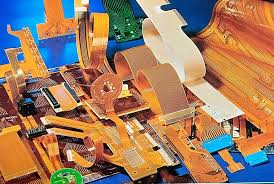
Can a flexible printed circuit be 3D printed?
However, several challenges must be addressed when considering the 3D printing of flexible printed circuits. One significant concern is the electrical conductivity of the printed traces. While conductive inks can provide sufficient conductivity for some applications, they may not match the performance of traditional copper traces in terms of conductivity and reliability. Researchers are continually working on improving the formulations of conductive inks to enhance their performance and expand their applicability in flexible circuits.
Another challenge lies in the thermal properties of the materials used in 3D printing. The heat generated during the printing process can affect the integrity of the flexible substrate, leading to potential deformation or damage. To mitigate this risk, it is essential to carefully control the printing parameters, such as temperature and speed, ensuring that the substrate maintains its flexibility and structural integrity throughout the process. Additionally, the post-processing steps, including curing or drying the printed traces, must be optimized to achieve the desired performance characteristics without compromising the substrate.
The integration of components into 3D printed flexible circuits also presents challenges. While traditional methods allow for the attachment of components through soldering, the unique properties of 3D printed circuits may necessitate alternative bonding techniques. For instance, using adhesives or conductive pastes can provide a suitable means of attaching components without exposing the circuit to the high temperatures associated with soldering. This approach can be particularly beneficial in applications where heat-sensitive components are involved.
Despite these challenges, the potential applications of 3D printed flexible circuits are vast. In wearable technology, for example, 3D printing allows for the creation of circuits that conform to the body’s shape, enhancing comfort and usability. Similarly, in medical devices, customizable circuits can be produced for specific patient needs, such as sensors that monitor vital signs or drug delivery systems. The ability to quickly prototype and iterate designs can also lead to faster development cycles and reduced time-to-market for new products.